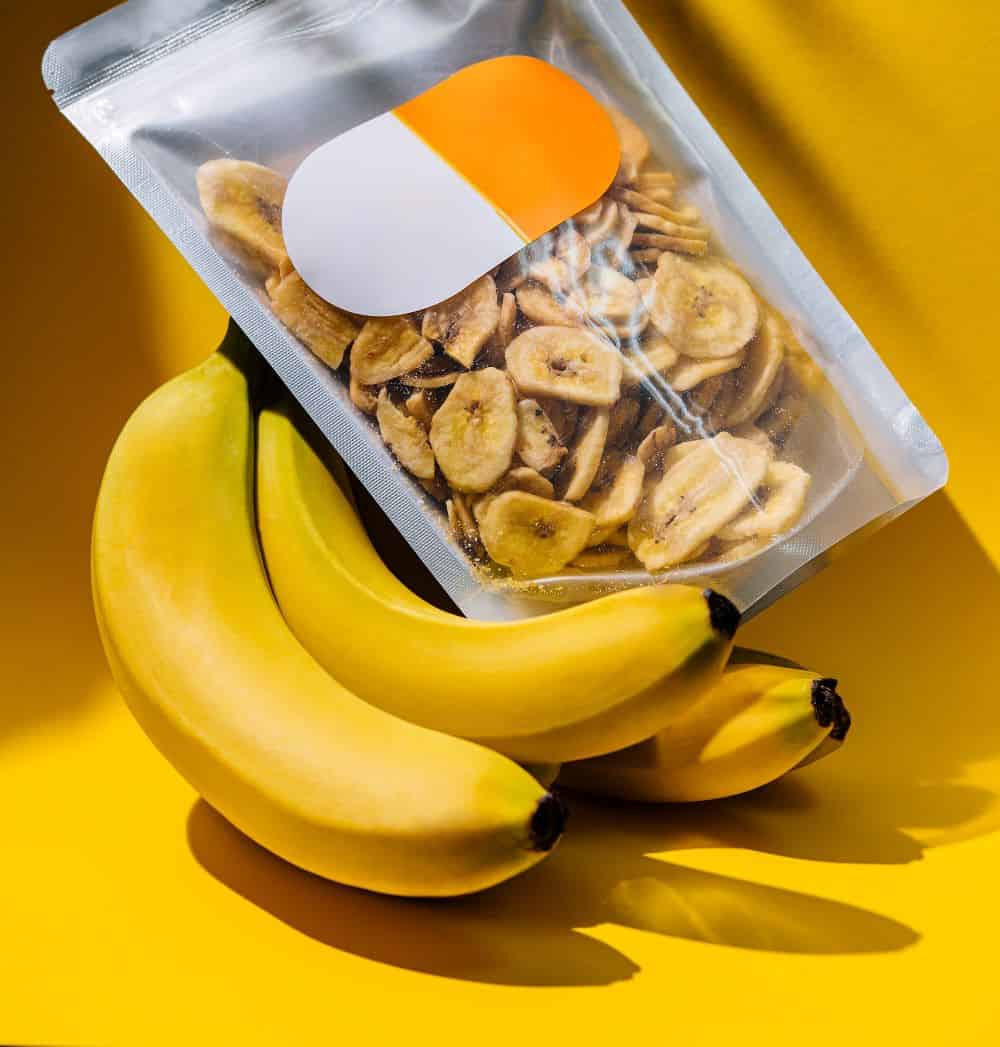
You might have heard of retort pouches before, but do you really know what they are? These innovative food packaging solutions are changing the way food is stored and consumed, offering both convenience and quality. In this text, we’ll explore the ins and outs of retort pouches, from their benefits and applications to their manufacturing processes and environmental impact. So, let’s jump into the world of this modern packaging marvel and see how it’s revolutionizing the food industry.
What Is a Retort Pouch?
A retort pouch is a flexible, heat-resistant packaging solution designed for food products. Made from multiple layers of materials, including plastic and aluminium, these pouches are designed to withstand high-temperature sterilisation. You might encounter them as ready-to-eat meals or in other processed foods.
The key feature of a retort pouch is its ability to resonate with you through portability. They’re lightweight, making them perfect for camping or just busy days when you need a quick, quality meal. Unlike traditional metal cans, retort pouches require less energy to produce and transport, making them easier on the environment and your wallet.
Benefits of Using Retort Pouches
Retort pouches come with several advantages that make them a preferred choice for many food manufacturers. First up is food preservation. The sealing and sterilisation process helps retain the freshness, flavour, and nutritional content of the food inside. You’re not just getting a meal: you’re getting one that’s packed with goodness.
Second, these pouches are incredibly convenient. No need for extra pots or pans: you can heat and eat straight from the pouch. This ease of use appeals to busy lifestyles, which is a huge plus in today’s rapid world.
Also, let’s not forget the shelf-life. Many products in retort pouches can last for months or even years without needing refrigeration, which opens up options for stocking up. You can have a variety of meals at your fingertips without the worry of spoilage.
Applications of Retort Pouches
You’ll find retort pouches popping up in multiple areas beyond just ready-to-eat meals. Think of pet food, sauces, and even baby food. Because they can effectively manage different kinds of food products, their versatility is top-notch.
Also, they’re also making a mark in military and emergency preparedness. Meals ready to eat (MREs) come in this packaging, providing essential sustenance in survival situations. So, whether it’s camping, a natural disaster, or just a long day at work, these pouches serve a critical purpose that aligns with various lifestyles.
The Manufacturing Process of Retort Pouches
Curious about how these pouches come to life? The manufacturing process involves several steps, starting with the selection of materials. Typically, the layers of plastic and aluminium are carefully chosen to ensure durability and heat resistance.
Next comes the printing and cutting phase. Manufacturers print relevant information on the outer layer before cutting the sheets into the desired shapes. Once ready, the pouches are then formed, filled with food, and sealed tightly to prevent contamination.
Finally, they undergo sterilisation, which involves exposing them to high temperatures in a retort machine. This step is crucial for ensuring the food inside is safe for consumption. You might think of it as the final quality check that guarantees your meal will be as good as new when you’re ready to eat it.
Comparing Retort Pouches with Other Packaging Solutions
When putting retort pouches side by side with traditional metal cans or glass jars, the differences become apparent. For one, pouches are lighter and take up less space, making them easier to transport and store. You don’t have to worry about cans rusting, nor do you have the weight of glass to contend with.
Also, the sealing technology used in retort pouches often results in a better-quality product. Metal cans can experience denting, affecting the integrity of the seal and, eventually, the food inside. Pouches, but, maintain a consistent barrier to oxygen and moisture, leading to longer-lasting freshness.
Plus, they also offer consumers a more modern and appealing look on the shelf. Let’s face it: a well-designed retort pouch can catch your eye much faster than a dusty can on a supermarket shelf.
Environmental Impact of Retort Pouches
You might wonder about the environmental impact of retort pouches, given the growing concern about plastic waste. While traditional packaging can contribute significantly to landfill problems, retort pouches are often made from recyclable materials. Many companies are actively working on improving their recycling processes to lessen their environmental footprint.
Also, producing lighter packaging means reduced transportation emissions, and this can positively impact your carbon footprint. Of course, it’s always a good idea to check if the manufacturer is committed to sustainability practices, it’s a little extra effort that can make a big difference.
Future Trends in Retort Pouch Technology
The future is bright for retort pouch technology. Innovations are on the horizon, from enhancements in their material composition to further improvements in sustainability practices. Expect to see more biodegradable elements being integrated, as consumer demand for eco-friendly products continues to grow.
Also, advancements in smart packaging technology could lead to pouches that monitor freshness and provide users with real-time updates on their contents. Imagine a pouch that tells you when your meal is perfectly heated or when it’s about to spoil.
Conclusion
Summarizing, retort pouches are more than just a packaging solution: they’re a game-changer in how we consume food today. With their numerous benefits, wide-ranging applications, and continuous advancements in technology, these pouches offer a glimpse into a more efficient and sustainable future for food packaging. So, the next time you pick up a ready-to-eat meal, take a moment to appreciate the innovative design that’s making it all possible.